 0
0
 0
0
The Evolution of Citation Metrics
In recent years, the academic landscape has witnessed a profound transformation driven by technological advancements. One such innovation is the use of artificial intelligence (AI) for predicting citation impact, an essential metric in evaluating the significance and reach of scholarly work. Citation impact has traditionally been viewed as a measure of quality and influence in academic publishing. However, the mechanisms underlying citation metrics are complex, influenced by myriad factors such as the field of study, the research’s novelty, and the academic community’s interest. AI technologies, with their ability to analyze vast datasets and recognize intricate patterns, hold the potential to revolutionize how citation impact is predicted, offering more precise and insightful predictions.
Read Now : Alternative Metrics For Research Influence
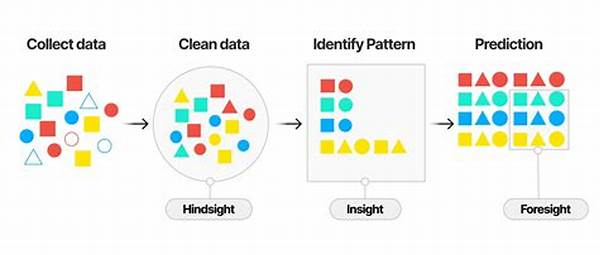
Predicting citation impact with AI involves deploying machine learning algorithms and data mining techniques to parse scholarly articles, authorship information, and historical citation data. By identifying trends and relationships within these data points, AI systems can forecast which papers are likely to receive significant attention and citations in the future. This ability to predict citation impact is invaluable for researchers, institutions, and funding bodies, as it aids in identifying pioneering research and assessing its potential societal contributions. Furthermore, leveraging AI to predict citation impact can assist in optimizing resource allocation, thus enhancing research productivity and innovation.
While predicting citation impact with AI offers immense promise, it also raises questions regarding algorithmic transparency and fairness. Concerns about biases in data and the interpretability of AI models must be addressed to ensure that predictions are equitable and comprehendible. As AI continues to evolve, it presents an unprecedented opportunity to augment traditional bibliometric analysis, thereby driving scientific discovery and facilitating informed decision-making in academic circles. Consequently, understanding the role of AI in predicting citation impact is becoming increasingly vital for stakeholders across the research spectrum.
Advantages of AI in Predicting Citation Impact
1. Enhanced Accuracy: AI enhances the accuracy of predicting citation impact by utilizing sophisticated algorithms capable of analyzing large datasets, uncovering patterns that manual assessments might overlook.
2. Timely Predictions: With AI, predicting citation impact can be achieved more swiftly, responding to the dynamic nature of academic publishing and enabling timely identification of influential research.
3. Resource Optimization: By predicting citation impact with AI, institutions can allocate resources more efficiently, focusing on high-impact research areas and fostering innovative projects.
4. Data-Driven Insights: AI provides data-driven insights into citation patterns, assisting researchers and policymakers in strategic planning and identifying emerging fields of study.
5. Objective Assessment: AI-driven citation predictions offer an objective assessment of research impact, minimizing subjective biases that can skew traditional evaluations.
Challenges and Ethical Considerations
While the application of AI in predicting citation impact offers numerous benefits, it is not without challenges. A significant concern is the potential for algorithmic bias, which may result from skewed or incomplete datasets. Biases in AI predictions can further perpetuate disparities in the recognition of research from diverse disciplinary backgrounds, hindering equitable evaluation. Thus, ensuring the use of comprehensive and representative data is crucial in mitigating these biases and enhancing the accuracy of predictions.
Moreover, transparency and accountability in AI models are essential to maintain trust in the prediction processes. Researchers and institutions must understand how AI arrives at its predictions to provide informed interpretations and decisions. Establishing standards and guidelines for ethical AI utilization in predicting citation impact is imperative to uphold fairness and integrity in academic evaluations. By addressing these challenges, AI can be a powerful tool in predicting citation impact, facilitating a more precise and equitable appraisal of scholarly contributions.
Implementing AI Solutions in Academia
Strategic Integration and Considerations
1. Collaborative Development: Predicting citation impact with AI requires collaboration between computer scientists, bibliometricians, and domain experts to tailor models for specific academic needs.
2. Model Transparency: Ensuring model transparency is key to gaining user trust and enabling researchers to comprehend predictions, thereby improving implementation efficacy in academia.
3. Continuous Evaluation: AI models need ongoing evaluation and adjustment based on feedback and evolving academic landscapes to maintain prediction validity and reliability.
4. Training and Skill Development: Institutions should invest in training researchers to effectively utilize AI tools, enhancing their ability to interpret data and integrate AI into research workflows.
5. Ethical Standards and Guidelines: Developing and enforcing ethical standards is critical for the responsible use of AI in predicting citation impact, ensuring fairness and equity in academic assessments.
6. Scalability and Adaptability: AI solutions must be scalable and adaptable to address the varied needs of different disciplines and institutions, fostering widespread adoption.
Read Now : Developing Smart Contracts For Ethereum
7. Open Access and Data Sharing: Encouraging open access and data sharing practices supports the effective functioning of AI models, facilitating comprehensive analysis for accurate predictions.
8. Cross-Disciplinary Collaboration: Promoting interdisciplinary collaboration enables the integration of diverse perspectives in AI model development, enhancing prediction scope and accuracy.
9. Policy Development: Policymakers should engage with the scientific community to formulate policies that address challenges in AI prediction, promoting its ethical and effective use.
10. Impact Measurement: Systematic measurement of AI’s impact on academic evaluation processes is necessary to understand its efficacy and improve future implementations.
Maximizing the Impact of AI in Academic Research
The integration of AI into citation prediction endeavors brings transformative potential to academic research. Predicting citation impact with AI allows for a nuanced understanding of research trajectories and scholarly influence, enabling targeted and strategic decision-making in academic and funding organizations. Beyond individual research assessments, AI-driven predictions can illuminate broader trends within disciplines, identifying emerging areas of inquiry and interdisciplinary connections.
The deployment of AI tools fosters a more dynamic and responsive academic environment, wherein researchers can swiftly adapt to changes and capitalize on opportunities for collaboration. As academia becomes increasingly data-driven, skillsets related to AI literacy and interpretation become indispensable, enriching academic curricula and professional development initiatives. By comprehensively embracing AI, research institutions can enhance their competitive edge, attracting top-tier talent and advancing the frontiers of knowledge.
The responsible implementation of AI in predicting citation impact requires a concerted effort from all stakeholders in academia. Through collaboration, transparency, and ethical considerations, the academic community can ensure that AI predictions serve to amplify the accessibility and equity of scholarly contributions. As AI continues to evolve and mature, its role in reshaping citation metrics and broader academic evaluation processes will undoubtedly expand, underscoring the critical need for ongoing research and dialogue in this domain.
Future Directions in Predicting Citation Impact
Innovative Approaches and Emerging Trends
The landscape of predicting citation impact with AI is poised for significant advancement as new methodologies and technologies emerge. Integrating AI with natural language processing and semantic analysis offers enhanced capabilities in understanding the contextual relevance and novelty of research outputs. These innovations enable AI models to not only predict quantitative citation metrics but also qualitatively assess research impact, considering societal and interdisciplinary implications.
Continuous developments in machine learning algorithms are likely to improve prediction accuracy and adaptability across diverse academic fields. As AI models become more sophisticated, they can incorporate more nuanced data, such as collaboration networks and policy impacts, further refining citation predictions. The potential for real-time prediction updates will allow stakeholders to respond proactively to shifts in the academic landscape, optimizing research strategies and funding decisions.
Furthermore, fostering global collaborations and open data initiatives can significantly enhance the predictive capabilities of AI systems. Harmonizing data standards across institutions and countries is vital for building robust and inclusive datasets, crucial for accurate and representative citation impact predictions. The future trajectory of AI in citation prediction will be shaped by collaborative efforts to address ethical considerations, promote inclusivity, and harness technological innovations for the benefit of the academic community at large.
Conclusion
In conclusion, predicting citation impact with AI represents a pivotal step forward in the evolution of academic evaluation processes. By leveraging the power of artificial intelligence, researchers and institutions can unlock deeper insights into the dynamics of scholarly influence and prestige. The use of AI in this context redefines traditional bibliometric approaches, offering enhanced accuracy and the ability to navigate complex relationships within academic networks.
However, the path to fully harnessing AI in predicting citation impact necessitates careful consideration of ethical and methodological challenges. Ensuring transparency, fairness, and inclusivity in AI models is crucial to maintain the integrity of academic assessments. Through strategic collaborations and open dialogue, the academic community can address these challenges and capitalize on AI’s potential to inform research strategy and policy development.
As AI technologies continue to evolve, their integration into citation prediction practices will undoubtedly enrich the academic landscape, guiding researchers and decision-makers in navigating an increasingly complex and interconnected world of knowledge. By adopting a forward-thinking approach and embracing technological advancements, academia can achieve a more comprehensive and equitable understanding of research impact, ultimately advancing the pursuit of scientific and scholarly excellence.


